Dec 01
Enhancing Air Quality in Small Spaces
Have you ever considered how the size of your home could impact the air you breathe? In compact living spaces, where every square foot is maximized, the air quality can significantly decline due to the accumulation of pollutants. Understanding these challenges is vital for maintaining a healthy environment.
What You Will Learn
- Compact homes often have limited airflow, leading to higher concentrations of indoor pollutants.
- Common pollutants include carbon dioxide (CO2), carbon monoxide (CO), and formaldehyde, which can impact health.
- Identifying sources of indoor pollution—like household products and cooking—can help mitigate air quality issues.
- Implementing solutions such as portable air cleaners and enhancing ventilation can significantly improve air quality.
Indoor Air Quality Challenges in Compact Homes
This visual highlights the common pollutants, their sources, and the contributing factors to poor indoor air quality in small living spaces, offering a clear overview of the associated challenges.
Contributing Factors to Poor Air Quality
- • Limited Airflow: Inadequate windows/ventilation.
- • Increased Humidity: Cooking and showering promote mold.
- • Pollutant Concentration: Everyday activities lead to buildup.
Common Indoor Pollutants in Small Dwellings
- • Carbon Dioxide (CO2): Causes headaches, fatigue (poor ventilation).
- • Carbon Monoxide (CO): Deadly, especially with gas appliances.
- • Formaldehyde: From furniture/materials; triggers allergies.
Primary Sources of Indoor Pollution
- • Household Products: Cleaning agents releasing VOCs.
- • Cooking: Gas stoves emit CO and other pollutants.
- • Building Materials: Paints, carpets, furniture off-gassing chemicals.
Solutions for Better Indoor Air Quality
- • Portable Air Cleaners: Tailored for small spaces.
- • DIY Air Cleaning: Cost-effective home-built solutions.
- • Ventilation Hacks: Optimize airflow strategically.
- • Energy-Efficient Windows: Dual benefits for air and energy.
Understanding the Unique Air Quality Challenges in Compact Homes
Living in a small space can be a cozy and fulfilling experience, but it also brings unique air quality challenges. In compact homes, limited square footage often leads to higher concentrations of pollutants, making it essential to understand how our environment impacts our health. Pollutants like PM2.5, carbon monoxide (CO), and volatile organic compounds (VOCs) can accumulate quickly when ventilation is inadequate, posing risks to well-being.
As the Small Space Appliances Editorial Team, we recognize that limited air circulation can exacerbate these issues, particularly in apartments or tiny homes where fresh air may not flow freely. It's crucial to be proactive in managing indoor air quality, ensuring that our small living spaces remain healthy and comfortable. For more tips on maintaining a comfortable environment, explore our guide on optimizing your small space climate control.
How Compact Living Spaces Affect Indoor Air Quality
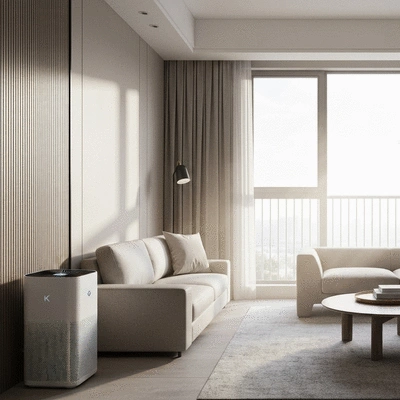
In small living spaces, every breath matters! The compactness of these environments can trap pollutants, leading to a buildup of harmful particles. For instance, studies show that indoor levels of PM2.5 can be significantly higher than outdoor levels, particularly in units with poor ventilation. This is where understanding the dynamics of our living spaces can empower us to take action.
- Limited airflow: Small spaces often lack adequate windows or ventilation systems, making it difficult for fresh air to circulate.
- Increased humidity: Cooking and showering can raise humidity levels, promoting mold growth.
- Pollutant concentration: Everyday activities can lead to a higher concentration of indoor air pollutants.
By recognizing these factors, we can take steps to mitigate their impact on our health.
Common Pollutants in Small Dwellings
When it comes to indoor air quality, small homes can harbor a variety of pollutants that might go unnoticed. One of the most common culprits is carbon dioxide (CO2), which can accumulate due to poor ventilation. Additionally, carbon monoxide (CO) is a serious concern, especially in homes with gas appliances. Formaldehyde, often found in furniture and building materials, is another pollutant that can negatively affect indoor air quality. For effective solutions, consider investing in portable air purifiers for small spaces.
- Carbon dioxide (CO2): Elevated levels can cause headaches and fatigue.
- Carbon monoxide (CO): This colorless gas can be deadly; proper ventilation is vital.
- Formaldehyde: Present in many household items, it can trigger allergies and respiratory issues.
Understanding these common pollutants is the first step toward creating a healthier living environment.

Identifying Indoor Pollution Sources in Compact Living
To effectively improve air quality, identifying the sources of indoor pollution is essential. Many household products contribute to poor air quality—everything from cleaning supplies to personal care items! Cooking can also release particles and gases that linger in the air.
- Household products: Many cleaning agents release VOCs that can accumulate over time.
- Cooking: Gas stoves can emit CO and other pollutants during use.
- Building materials: Items such as paints, carpets, and furniture can off-gas harmful chemicals.
By identifying these sources, we can make informed choices about the products we bring into our homes, leading to better air quality and a healthier living space.
Did You Know?
According to the Environmental Protection Agency (EPA), indoor air can be 2 to 5 times more polluted than outdoor air, especially in compact living spaces where ventilation is limited. This highlights the importance of actively managing air quality in your home.
Frequently Asked Questions About Indoor Air Quality in Compact Homes
Why is air quality a bigger concern in compact homes?
Compact homes often have limited airflow and smaller volumes of air, which allows pollutants to accumulate more quickly and reach higher concentrations compared to larger homes with better ventilation.
What are the most common indoor pollutants in small dwellings?
Common pollutants include carbon dioxide (CO2) from breathing, carbon monoxide (CO) from combustion appliances, formaldehyde from furniture and building materials, and particulate matter (PM2.5) from cooking and other activities.
How can I identify sources of pollution in my compact living space?
Look for sources such as household cleaning products (VOCs), gas stoves (CO, PM2.5), new furniture or carpets (formaldehyde), and high humidity areas (mold). Monitoring these can help you pinpoint and address issues.
What are some effective solutions for improving air quality in a small home?
Effective solutions include using portable air cleaners, enhancing natural ventilation through strategic window opening, considering DIY air cleaning solutions, and ensuring proper maintenance of appliances.
Does cooking significantly impact indoor air quality in small homes?
Yes, cooking, especially with gas stoves, can release carbon monoxide, particulate matter, and other airborne chemicals, which can quickly build up in a compact space if ventilation is poor. Using range hoods and opening windows can help.
Summarizing the Path to Better Indoor Air Quality in Compact Homes
As we've explored, addressing the unique challenges of air quality in compact homes is essential for creating a comfortable and healthy living environment. With limited square footage, the risks of indoor pollutants like carbon dioxide, formaldehyde, and particulate matter are heightened. Being proactive about air quality can greatly enhance your living experience, making it vital to implement effective solutions.
From selecting the right portable air cleaners to maximizing ventilation, there are numerous strategies available. We’ve discussed DIY options and the integration of advanced air filtration systems to tackle these issues head-on. A thorough understanding of these approaches empowers you to take meaningful steps toward improved air quality. If you're looking for other ways to make your home more efficient, check out our insights on compact appliances for small spaces.
- Utilize portable air cleaners tailored for small spaces
- Implement DIY air cleaning solutions with minimal investment
- Enhance ventilation through strategic hacks
- Consider energy-efficient windows for dual benefits
In summary, creating a healthier indoor atmosphere in compact homes is not only feasible but also crucial for enhancing your well-being. By taking the time to understand and address the specific air quality challenges you face, you'll be well on your way to enjoying a fresher, cleaner living space!
Take Action: Tools and Resources for Your Air Quality Journey
Now that you're equipped with valuable insights and solutions for tackling indoor air quality issues, it's time to take action! At Small Space Appliances, we encourage you to utilize the checklists and guides provided throughout this article. These resources are designed to help you implement effective air quality improvements tailored to your unique living situation.
- Download our air quality checklist to track improvements
- Explore our recommended products for portable air cleaners
- Refer to our DIY guide for home-built air solutions
- Use our ventilation hacks to optimize airflow in your space
Remember, each small step you take contributes to a healthier home environment. By being proactive in your air quality journey, you’ll create a space that not only feels good but also supports your overall health and well-being. Let's embrace the challenge of compact living with confidence!
Recap of Key Points
Here is a quick recap of the important points discussed in the article:
- Understand the Risks: Compact homes can trap pollutants like PM2.5, carbon monoxide, and VOCs due to limited ventilation.
- Identify Common Pollutants: Key indoor pollutants include carbon dioxide, carbon monoxide, and formaldehyde, which can affect health.
- Recognize Pollution Sources: Household products, cooking, and building materials often contribute to indoor air quality issues.
- Proactive Solutions: Utilize portable air cleaners, enhance ventilation, and consider energy-efficient windows to improve air quality.
- Take Action: Use checklists and guides to implement effective air quality improvements tailored to your compact space.

Clara Hightower
Small Space Living Expert · Compact Appliance Specialist
Clara Hightower helps people make the most of compact living by simplifying appliance choices for apartments, studios, tiny homes, and dorms. With years of experience reviewing and testing small-space appliances, she brings practical, trustworthy guidance to help you create a home that’s efficient, comfortable, and perfectly optimized for limited space.